
Trinity County Public Records
Trinity County public records provide access to government documents maintained by local agencies in one of California's smallest counties. The County Clerk-Recorder in Weaverville manages vital records including birth, death, and marriage certificates as well as property documents like deeds, mortgages, and liens. Court records from the Superior Court cover civil, criminal, family, probate, and small claims cases. Property assessment data is available through the Assessor's office. While Trinity County has a small population, it follows the same California laws for records access as larger counties. The California Public Records Act applies to requests for government documents. Most offices are located in Weaverville, the county seat. You can search some records online or visit offices in person for full access to files.
Trinity County Quick Facts
County Clerk-Recorder
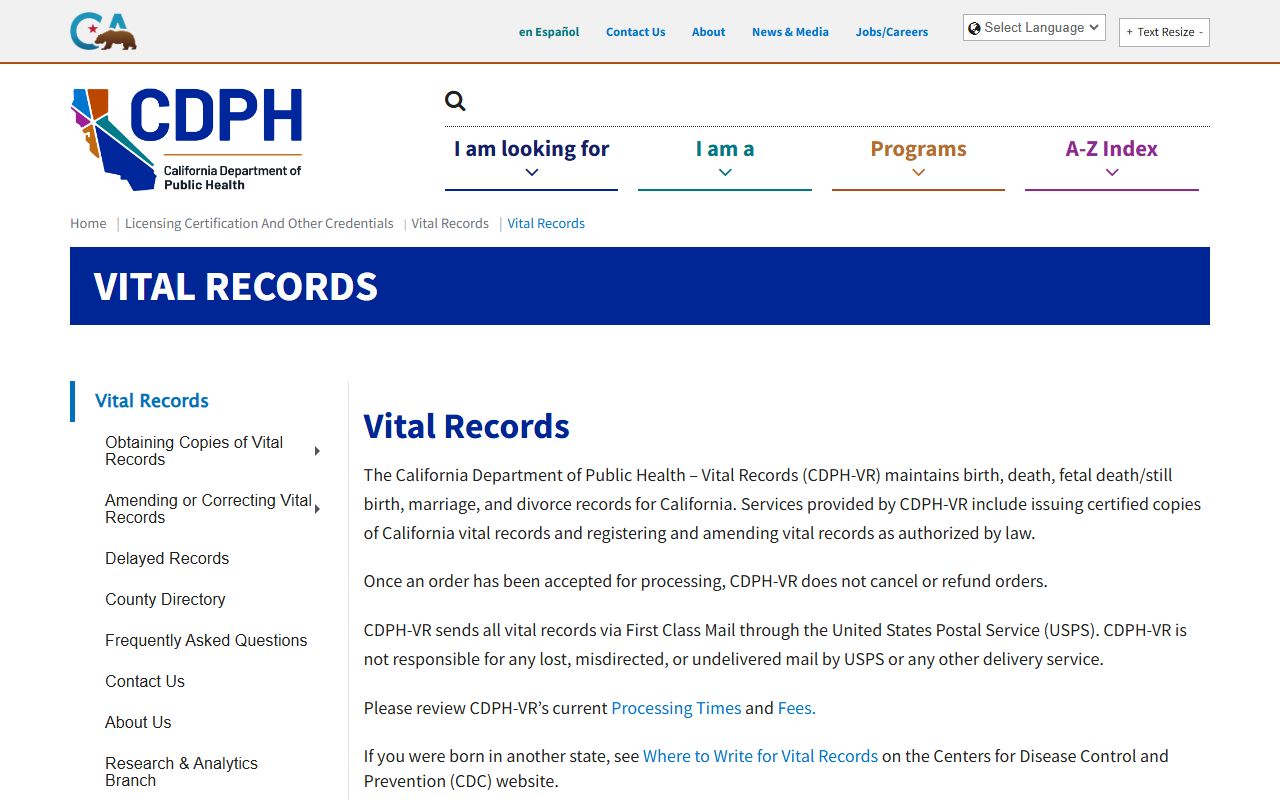
The Trinity County Clerk-Recorder keeps vital records and property documents. Birth and death certificates are available for events in the county. Marriage certificates are issued after the license is returned by the officiant. As of January 2026, birth and death certificates cost $24 per copy. Marriage certificates also cost $24. These fees went up by $2 under Assembly Bill 64.
Access to vital records is limited by law. You must prove eligibility to get copies. For birth certificates, parents can order them. So can the adult named on the certificate. Spouses, children, grandparents, guardians, and attorneys for these parties also qualify. Death certificates have broader access rules. Many people with direct interest can get them. Always bring valid ID when requesting vital records in Trinity County.
The Recorder side handles property documents. Deeds transfer land ownership. Mortgages secure loans with real estate. Liens attach to property for debts. Reconveyances clear old loans. All these documents become public when recorded. You can search recorder files to find them. The office is located in Weaverville at the county courthouse.
Fictitious business names are filed with the Clerk. If you do business under a name other than your legal name, you must register it. The Clerk records your statement and arranges publication in a local newspaper. This protects consumers and creditors by making business ownership public in Trinity County.
| Address | 11 Court Street, Weaverville, CA 96093 |
|---|---|
| Phone | (530) 623-1215 |
| Website | trinitycounty.org/clerk-recorder |
Superior Court of Trinity County
The Superior Court maintains files for all cases filed in Trinity County. Civil cases involve disputes between parties over money or property. Criminal cases charge people with violating laws. Family law covers divorce, child custody, and support orders. Probate handles estates of deceased persons. Small claims resolve minor money disputes under $12,500.
Court records are public unless sealed. Juvenile cases stay confidential under state law. Some family law details are restricted to protect children. Adoption records are sealed. Most other cases can be viewed by anyone. Check the court's website at trinity.courts.ca.gov for information about accessing records.
Visit the courthouse to get copies of case documents. The clerk's office can search by case number or party names. Bring as much information as you have. Case numbers make searches faster. Without a case number, provide names and approximate dates. Copies cost $0.50 per page. Certified copies need an extra fee for the seal and certificate in Trinity County.
The courthouse is at 11 Court Street in Weaverville. Hours are limited compared to larger counties. Call ahead to confirm hours before making a trip. The phone number is (530) 623-1208. Staff can answer procedural questions but cannot give legal advice.
Property and Assessment Records
Real estate records exist in two offices. The Recorder files deeds when property changes hands. Each deed shows the buyer, seller, and property description. These are public records. Anyone can search and copy them. This helps with title research and property history in Trinity County.
The Assessor keeps tax records. Search by address or parcel number to find property information. You can see the owner's name, assessed value, and land characteristics. Visit the Trinity County Assessor website for online searches or contact information.
Liens show up in recorder files. Tax liens come from unpaid property taxes. Mechanic's liens secure payment for construction work. Judgment liens enforce court orders. All attach to property titles. Check recorder records before buying land to find any liens that might affect ownership.
To get copies of recorded documents, contact the Clerk-Recorder. You need the document number or enough details to locate it. Staff will search files and print copies. Fees depend on page count and whether you need certification. Most counties charge a base fee plus per-page costs for copies.
Birth, Death, and Marriage Certificates
Vital records prove important life events. Birth certificates show when and where you were born. They are needed for school enrollment, driver licenses, and passports. Death certificates are required to settle estates and claim life insurance. Marriage certificates document legal unions. All three types are available from the Clerk-Recorder in Trinity County.
You can order vital records online, by mail, or in person. Online orders may go through VitalChek, which charges convenience fees on top of county fees. Mail orders avoid extra fees but take longer to process. In-person requests at the Weaverville office may provide same-day service if the record is available and you bring proper ID.
Records take time to file after the event. Birth records usually appear within 10 days. Death records can take several weeks. Marriage records become available after the officiant returns the signed license. If you request a record too soon, it may not be filed yet. The office will search and issue a certificate of no record if nothing is found. They keep your fee as a search charge under state law.
For faster service on recent records, use the county office instead of the state. The California Department of Public Health in Sacramento has all state vital records but takes 5 to 7 weeks to process requests. County offices often work faster for local events in Trinity County.
Note: Only authorized persons can get certified copies of vital records under Health and Safety Code Section 103526.
Public Records Act Requests
The California Public Records Act gives you the right to see most government documents. CPRA applies to all state and local agencies. This includes Trinity County departments. You can request records from any county office that keeps them.
Send your request to the right department. Be specific about what you want. Describe the records clearly. Give date ranges if possible. Name the people or topics involved. The more details you provide, the easier it is for staff to find responsive records. You do not need to give a reason for your request. Agencies cannot ask why you want the documents.
Agencies have 10 calendar days to respond. They must tell you if they have the records and when you can inspect them. If more time is needed, they can extend by 14 days. Extensions are only allowed for unusual circumstances. Large requests or records scattered across multiple locations might justify an extension in Trinity County.
Some records are exempt from disclosure. Personnel files are private. Attorney work product is privileged. Active investigation files may be withheld. Preliminary drafts are not final public records. The agency must cite a specific legal exemption to deny your request. You can challenge improper denials in court if necessary.
Fees apply for copying and staff time. Electronic records sent by email are often free. Paper copies cost per page. Complex requests that need many hours of staff work can cost more. Ask about fees before the agency begins searching. They should estimate costs for large requests so you can decide whether to proceed.
Types of Public Records
Trinity County maintains various record types. Each serves different purposes and has its own access rules. Common categories include:
- Court cases covering civil, criminal, family, probate, and small claims matters
- Birth, death, and marriage certificates
- Real estate deeds, mortgages, and liens
- Property tax assessments and parcel data
- Fictitious business name statements
- Marriage license applications
- Recorded judgments and tax liens
Each record type has specific procedures. Court records follow California Rules of Court. Vital records are governed by Health and Safety Code provisions. Property records fall under Government Code sections. CPRA sets general rules for other government documents in Trinity County.
Some records are free to search but cost money to copy. Others charge search fees up front. Online databases may let you look for free but require payment for full documents. In-person and mail requests often have different fee structures. Always ask about costs before ordering copies.
Ways to Access Records
You have several options for getting records. Online searches work for some types. Check county websites for available databases. Not all records are online in smaller counties like Trinity. But basic information may be searchable from home for certain record types.
In-person visits give you full access. Go to the courthouse for case files. Visit the Clerk-Recorder for property documents and vital records. Bring valid ID, especially if you plan to request birth or death certificates. Be ready to pay fees. Most offices take cash and checks. Some accept cards.
Mail requests work when you know exactly what you need. Write a letter describing the records. Include your name, address, phone number, and payment. Check agency websites for current fees and mailing addresses. Processing takes longer by mail than in person. Allow several weeks for a response from Trinity County offices.
Phone calls help with questions about procedures. Staff can explain fees, hours, and requirements. They can tell you what ID or forms to bring. But they cannot search files or read documents over the phone. Use calls to prepare for visits or mail requests.
Legal Basis for Records Access
California has several laws governing public records. The California Public Records Act is in Government Code Division 10. This law replaced the old Chapter 3.5 structure. CPRA requires agencies to make most records available for inspection and copying. Read the full statute at leginfo.legislature.ca.gov to understand your rights.
Court records are controlled by California Rules of Court. Rule 2.503 covers case records at courthouses. Rule 2.540 addresses electronic access by government agencies. Juvenile confidentiality comes from Welfare and Institutions Code sections. Family law restrictions appear in Family Code and court rules designed to protect children's privacy.
Vital records access is set by Health and Safety Code Section 103526. This statute defines authorized persons who can get certified copies. The law balances privacy with legitimate access needs. Clerks must verify relationships before releasing vital records to ensure compliance with state law in Trinity County.
Property recording requirements come from Government Code provisions. Once recorded, documents become public. Anyone can search and copy them. This transparency protects property buyers from hidden claims and promotes informed real estate transactions.
Nearby Counties
Trinity County is bordered by several other counties. If you need records from a neighboring jurisdiction, contact that county directly. Each has its own procedures and offices.
Adjacent counties: Shasta County, Tehama County, Humboldt County, Mendocino County, Siskiyou County