
Search California Public Records
California maintains one of the most extensive public record systems in the nation. State and county agencies keep documents on court cases, vital events, business filings, criminal history, property transactions, and government operations. Most records are open to anyone who asks. You can search many databases from home. Others need a trip to an office or a written request. California law gives you the right to see how your government works and what information it holds.
California Public Records Overview
Primary Record Sources in California
California organizes its public records across multiple state agencies. Each one handles different document types. The Secretary of State maintains business entity filings for all corporations, LLCs, and partnerships formed in California. This office also holds Uniform Commercial Code financing statements and keeps the state archives. If you need to verify a company or look up historical government records, start here.
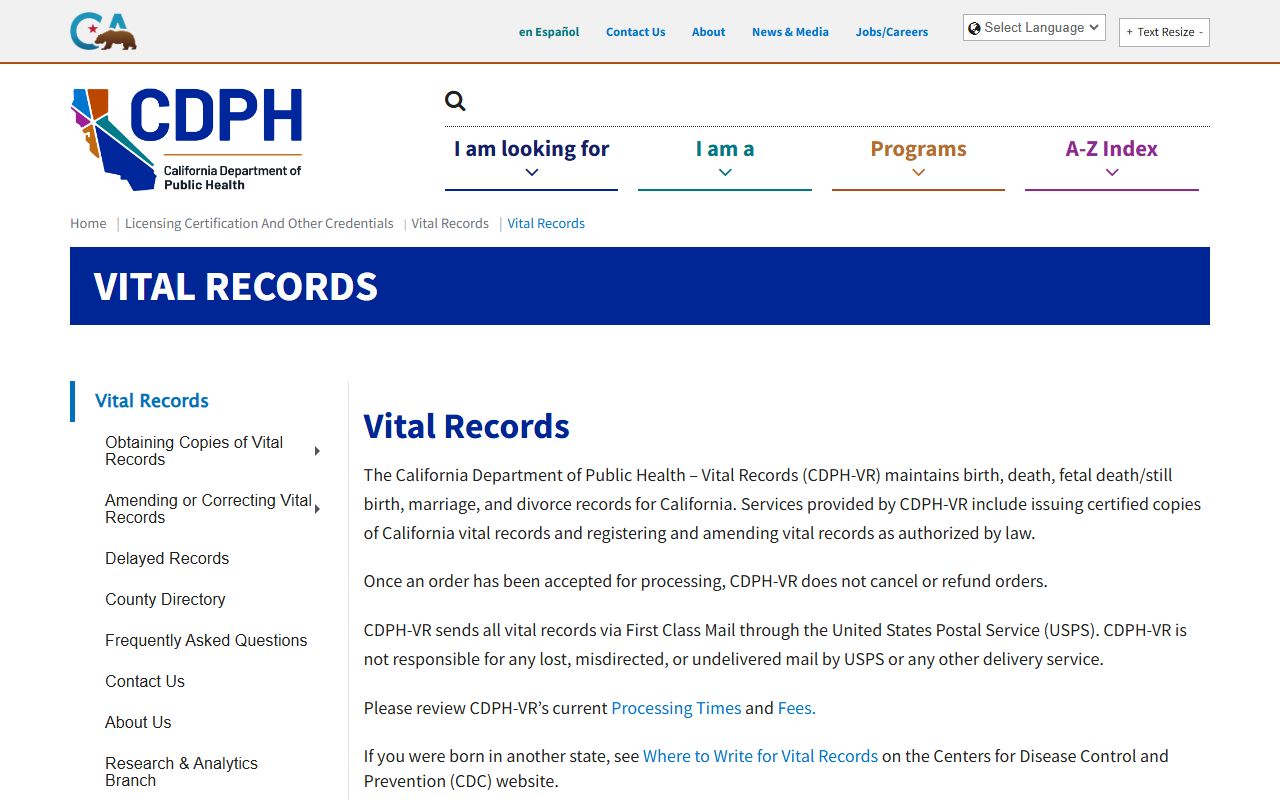
The California Department of Public Health runs the vital records program. Birth, death, marriage, and fetal death certificates all go through this agency. CDPH keeps certificates going back decades. Most people can order copies if they meet eligibility rules under state law. County offices also issue vital records and often process requests faster than the state does. Fees went up in 2026 due to Assembly Bill 64. A birth certificate now costs $24 per copy. Death and marriage certificates cost the same.
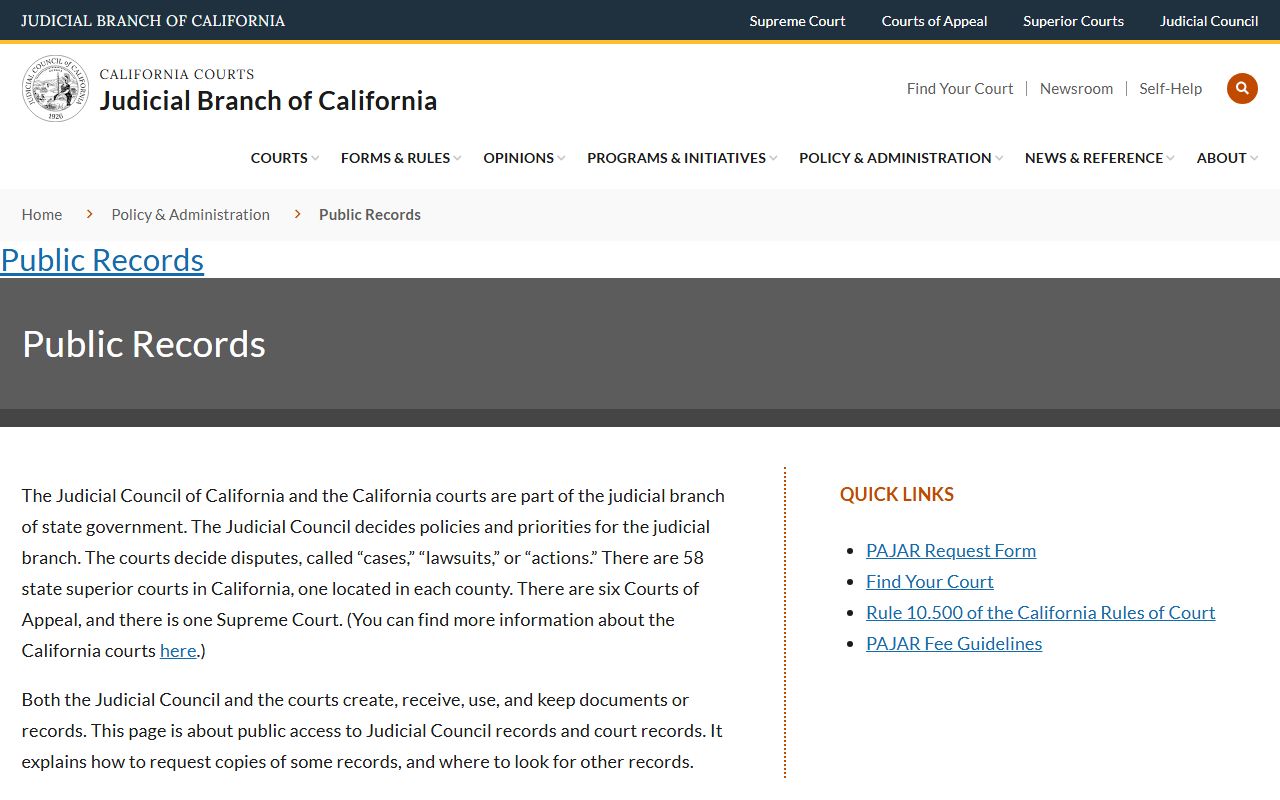
Court records live in a separate system. California has 58 Superior Courts, one in each county. Each court maintains its own case files. The Judicial Council sets statewide rules, but individual courts run their own record systems. Some have robust online portals. Others require you to visit in person. The records you can see depend on case type and privacy laws. Civil, criminal, family, probate, and small claims cases are mostly public, but sensitive information gets restricted.
The Secretary of State Business Entities division processes millions of filings each year. You can search the database for free at sos.ca.gov/business-programs/business-entities to find any California company. The system shows entity name, number, status, and formation date. Documents like articles of incorporation cost $5 for a certified copy. Special handling fees apply if you need same-day or 24-hour service in Sacramento. Standard processing takes longer but saves you money on routine searches for California records.
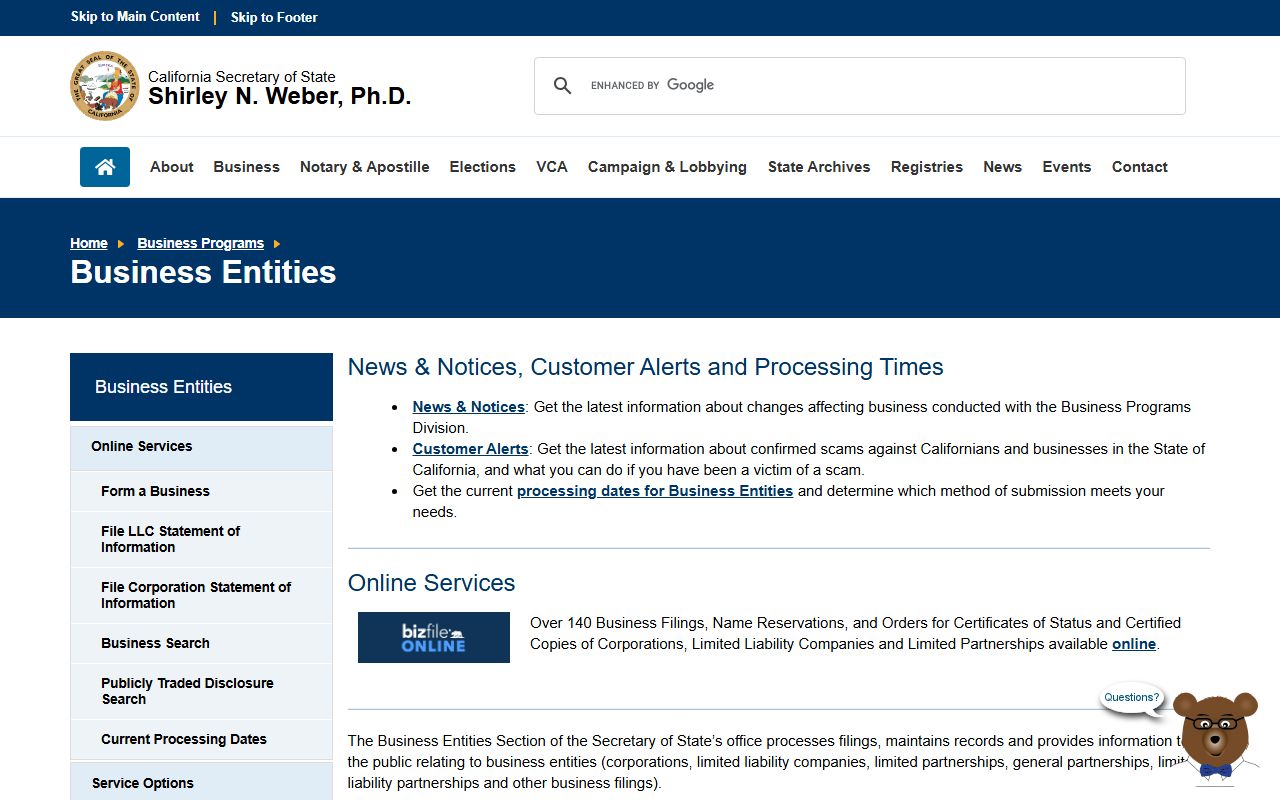
Business entity records include formation documents, annual statements, and agent information. The state does not keep bylaws or operating agreements. Those stay with the company itself. If you need fictitious business names, check with the county clerk where the business operates in California.
Vital Records Access
Birth and death certificates are available from the California Department of Public Health. Processing takes 5 to 7 weeks for most requests. County offices process the same records faster, often within days. You can order from CDPH by mail, but the state recommends using your local county registrar if you need records quickly in California.
Only certain people can get copies of vital records. Parents, legal guardians, spouses, adult children, grandparents, and legal representatives qualify under Health and Safety Code Section 103526(c). You must show proof of your relationship and provide valid ID. The state will not release records to just anyone who asks. If the record does not exist, you get a Certificate of No Public Record instead. The state keeps your fee as a search charge.
Marriage records work differently. The county recorder issues marriage certificates for the first six months after the event. After that, you can request them from CDPH or continue using the county. Marriage records cost $24 per copy as of January 2026. The state sends all orders by regular mail through USPS. They do not offer expedited shipping options for California vital records.
Visit cdph.ca.gov/Programs/CHSI/pages/vital-records.aspx for the state vital records program details. The office is open Monday through Friday, 8 AM to 4 PM. Call (916) 445-2684 with questions. Staff cannot give legal advice or discuss specific record contents over the phone, but they can help with application procedures and requirements for obtaining California records.
Amendments to birth records cost $26 and include one certified copy. Processing takes 9 to 11 weeks. Counties can usually handle amendments faster than the state can in California.
Note: CDPH cannot cancel or refund orders once processing begins.
Court Records and Case Information
Each Superior Court in California keeps its own records. There is no single statewide database that covers all courts. Some counties offer online case search tools. Others require you to appear at the courthouse. The Judicial Council provides guidance, but local courts control access to their files.
Most case records are public. You can view registers of action, calendars, and case indexes for free. Full case files may require a fee. Courts charge $0.50 per page for copies. Certified copies cost more. Sensitive cases like juvenile dependency and juvenile delinquency remain confidential. Family law cases show limited information online to protect privacy in California.
Starting January 1, 2026, you can photograph court records with your phone or camera under AB 1524. This applies to records you are entitled to view at the courthouse. You cannot photograph confidential files or records that are sealed by court order. Check with the clerk before taking photos of any California court documents.
The Public Access to Judicial Administrative Records program handles requests for Judicial Council records. Email PAJAR@jud.ca.gov or call 415-865-7796 for assistance. This program covers administrative records, not individual case files. For case records, contact the court where the case was filed in California.
Electronic case records are available in some counties. Not all courts have converted their files to digital format yet. Online access varies widely across California.
Criminal History Records
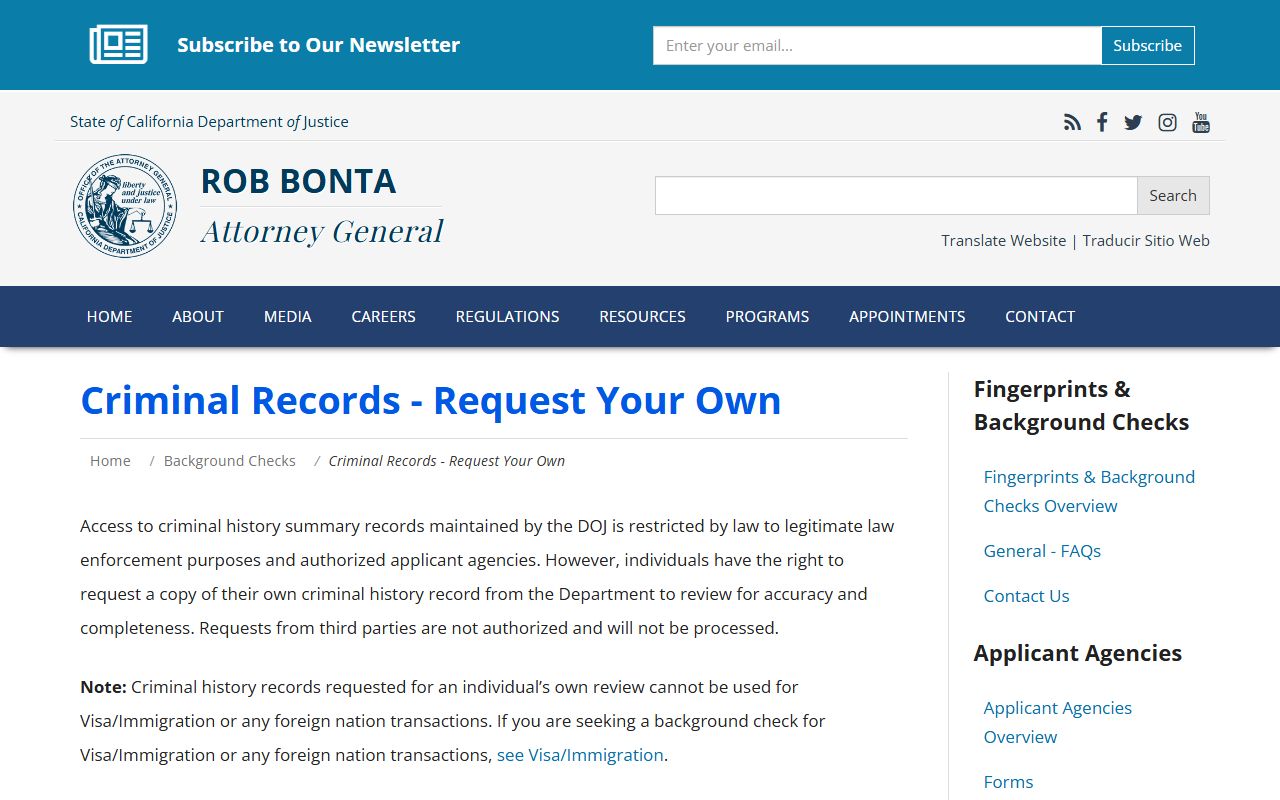
The California Department of Justice maintains the state criminal record repository. These records are not public. Access is restricted by law. You can request your own record for personal review. Third parties cannot get someone else's criminal history without proper legal authority in California.
To get your own record, you must submit fingerprints. DOJ uses fingerprints to verify identity. Processing takes 48 to 72 hours for most electronic submissions. Eighty percent are done within three business days. You can check status at applicantstatus.doj.ca.gov after submitting prints.
DOJ does not provide court documents or case transcripts. Those come from the court that handled the case. DOJ records show arrests, detentions, and dispositions reported by law enforcement and courts. The record retention policy keeps information until the subject reaches age 100 in California.
Criminal records are exempt from the Public Records Act. Government Code division 10 does not require disclosure of this information. If you need certified court records, contact the Superior Court in the county where the case occurred. For background checks required by employers or licensing agencies, follow the specific process that agency requires for California criminal records.
Call the Record Review Unit at (916) 227-3849 for questions about requesting your own California criminal record.
California Public Records Act
The California Public Records Act gives you the right to inspect and copy government records. CPRA applies to state and local agencies. The law was recodified in 2021 and now appears in Government Code Division 10. It covers any writing that contains information about public business.
Most records are public by default. Agencies must release them unless a specific exemption applies. Common exemptions include personnel files, active investigation records, attorney-client communications, and information protected by other laws. The agency has 10 days to respond to your request. They can extend that by 14 days if needed.
You do not need to give a reason for your request. No ID is required in most cases. Agencies charge direct costs for copying. Paper copies cost $0.10 per page at the state level. Counties and cities set their own fees. Electronic records are often free. If the agency must extract data or write custom code, they can charge full costs for that work in California.
The Attorney General provides guidance on CPRA at oag.ca.gov/consumers/general/pra for those seeking California public records. Use the online request form for DOJ records. Other agencies have their own systems. Many use platforms like NextRequest or GovQA to manage public record requests. Some still accept requests by mail or email only.
Read the full CPRA statute at leginfo.legislature.ca.gov/faces/codes_displayText.xhtml for complete legal text. The law defines what counts as a public record and lists all exemptions that limit access to certain California documents.
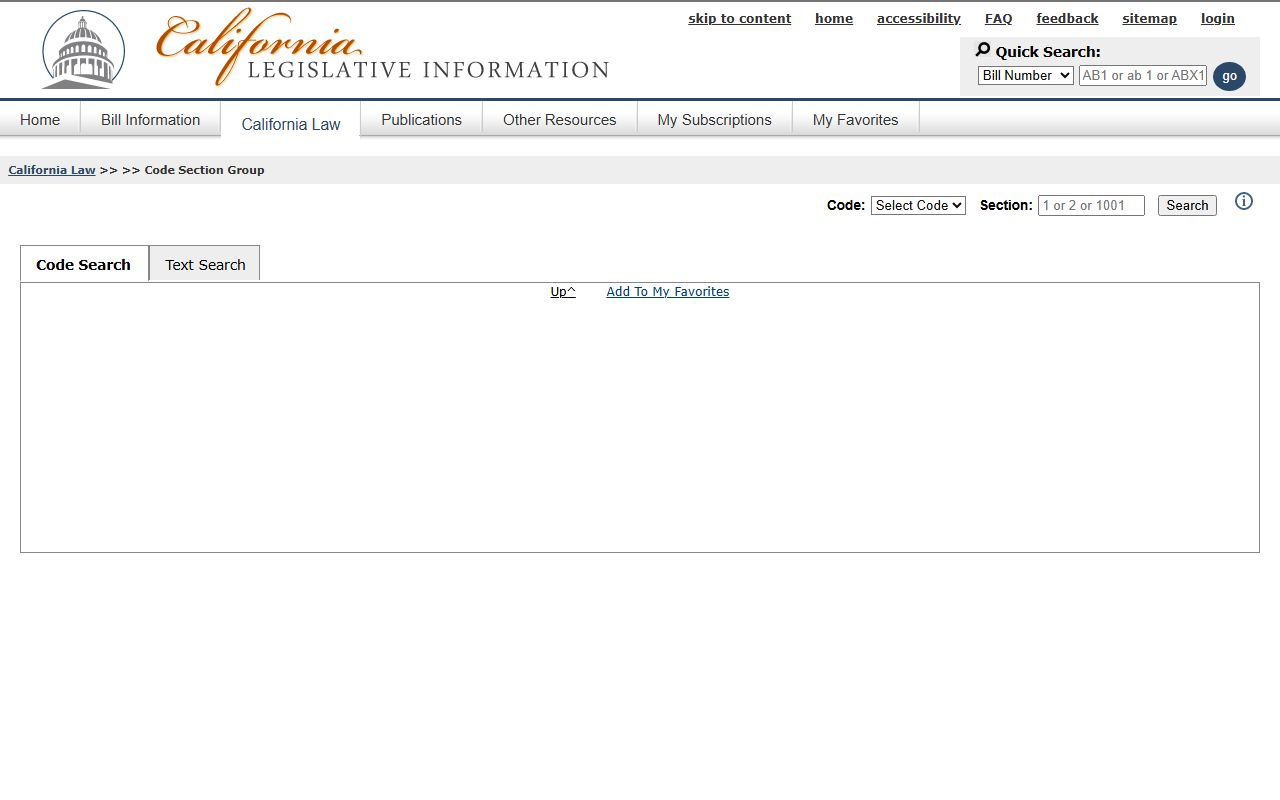
The Information Practices Act also affects some records. It protects personal information held by agencies and gives you the right to review records about yourself in California.
Historical Records and Archives
The California State Archives preserves permanent government records. The collection includes millions of textual documents and thousands of maps, drawings, and photos. These records document state history and government operations going back to 1849.
The research room is open to the public from 9:30 AM to 4:00 PM, Monday through Friday, except state holidays. Visit 1020 O Street in Sacramento. Call the reference desk at (916) 653-2246 with research questions. Staff can help by mail, but there is no rush service. Research requests usually take 3 to 5 business days plus mailing time.
You can search the Minerva online catalog before visiting. The California Archives Search Portal and Online Archive of California also provide finding aids. Not everything is digitized yet. Many records require an in-person visit to view originals or request copies. Check sos.ca.gov/archives for hours, policies, and search tools for California historical records.
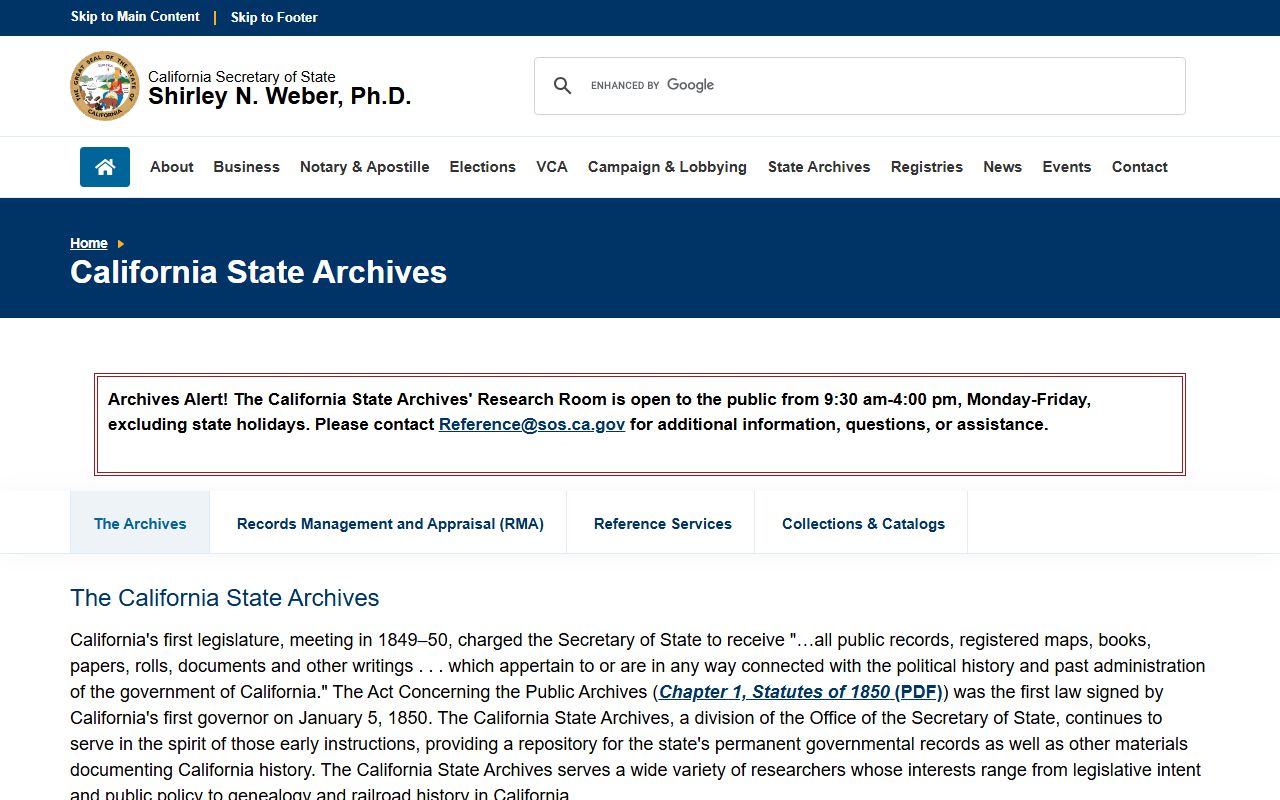
Archives staff cannot provide expedited service or rush orders regardless of your needs.
Unclaimed Property Database
The State Controller holds billions in lost or forgotten property. This includes old bank accounts, insurance proceeds, stocks, and safe deposit box contents. There is no deadline to claim your property. The state safeguards it until the owner comes forward. No fee applies to file a claim in California.
Search the database at sco.ca.gov/search_upd.html or call (800) 992-4647. The phone line is open 8 AM to 5 PM Pacific Time on weekdays. If you are outside the U.S., call (916) 323-2827. Enter your name and city to see if the state holds anything for you. Claims are free and can be filed online for most California unclaimed property.
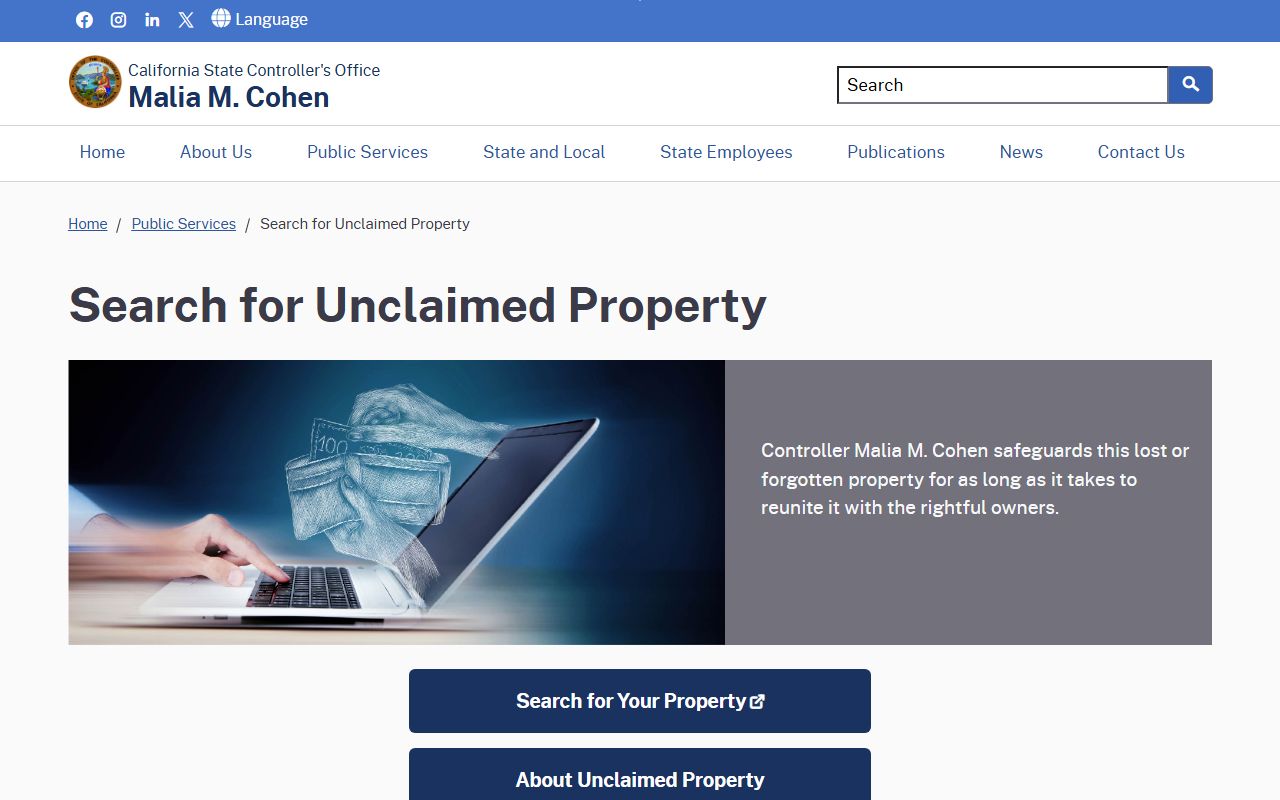
Controller Malia M. Cohen oversees the unclaimed property program and works to reunite owners with their assets in California.
Background Checks and Fingerprints
DOJ processes about 2 million state background checks and 1.2 million federal checks each year. These are not the same as public record searches. Background checks are for employment, licensing, and other authorized purposes. Fingerprint rollers must be certified. Law enforcement can also take prints in California.
Most electronic submissions are done within three days. Some need manual review and take longer. You cannot use personal record requests for visa applications or foreign transactions. Those require different processing. Visit oag.ca.gov/fingerprints for complete fingerprinting and background check information for California.
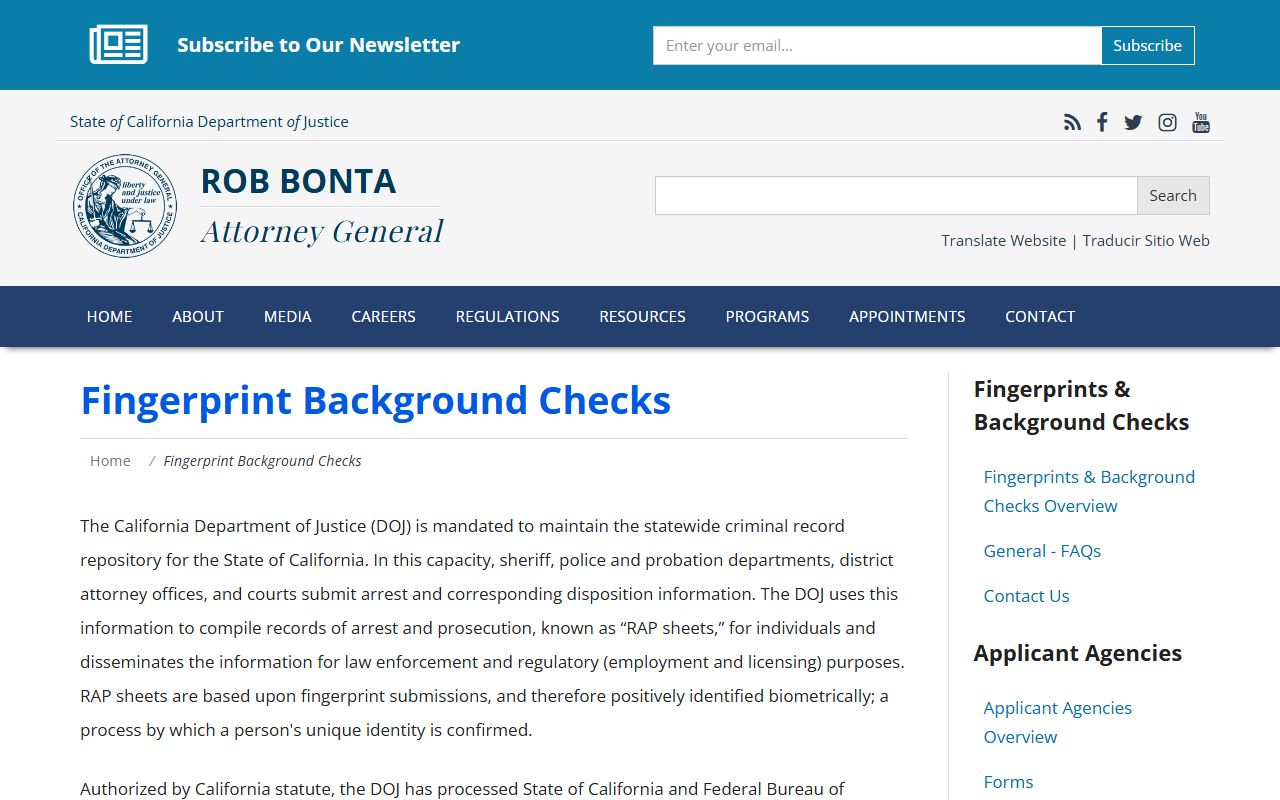
Email applicantinfoservices@doj.ca.gov for help with background check questions related to California DOJ processing.
Browse California Records by Location
County Records
Each of California's 58 counties maintains its own public records. County recorders handle property documents, vital records, and fictitious business names. Superior Courts keep case files. County clerks manage marriage licenses and some court functions. Find your county below to see what records are available and how to access them in California.
Top counties by population: Los Angeles County, San Diego County, Orange County, Riverside County, San Bernardino County, Santa Clara County
View All 58 California Counties →
City Records
Major California cities maintain their own public records systems. City clerks keep council files, ordinances, resolutions, and minutes. Cities respond to CPRA requests independently from counties. Many use online portals for record requests. Find records for California's largest cities below.
Major cities: Los Angeles, San Diego, San Jose, San Francisco, Fresno